03333 231 580
 Contact us
Legal solutions for SMEs and family businesses
Planning for succession – reducing the risk of inadequate estate planning

Wills and estates – strategies for senior executives, business owners and directors
Estate planning – putting your affairs in order – is important for everyone. For business owners, company directors and high level personnel there are additional factors at play, making up to date Wills and bespoke Lasting Powers of Attorneys even more critical. Thinking carefully about what will happen to your property when you die, including how your business assets will be managed and ensuring you have adequate safeguards in place for what you’ve spent years building up.
Planning also reduces the potential for disputes over your business following your death or incapacity and can prevent family members and others making claims against your estate. By taking advantage of trusts and other legal vehicles you can reduce the tax liability of your estate, protect minor and vulnerable beneficiaries and ensure your loved ones inherit your property in accordance with your wishes. Here, our estate planning solicitors help identify the main risks that arise when business owners and other fail to take the necessary steps to protect their estate during their lifetime. We also offer some tips on how to minimise these dangers and reduce your risk.
Discover more about
It’s estimated that up to half of adults in the UK don’t have a Will. There are significant risks for business owners and anyone with significant or complex assets who dies without a Will. For example:
- There is a real danger that your property will not be left in the way that you wish. Many people do not realise that the Rules of Intestacy do not leave their whole estate to a spouse (if they have one). This can lead to significant issues when a business owner dies because the business assets may not go where the deceased would have chosen and valuable inheritance tax reliefs may be wasted.
- Lack of a Will can have negative IHT implications for business owners. Business Relief is a significant relief against Inheritance Tax. Some of its value may be squandered if business assets are not left to the most appropriate beneficiaries. In addition under the Rules of Intestacy some of your business assets may go to minor children.
- If you wish to exclude someone form benefitting from your estate, a record of your reasons for doing so (kept with the Will) is an effective way to reduce any challenge by the excluded person.
- Without a Will you have no choice about who manages your estate (or who will guardians for your children if the other parent also dies).
- Someone whom you do not trust or who is unsuitable may under the intestacy rules be responsible for dealing with your estate.
Top Tip
Experienced estate planning solicitors can advise clients on how best to structure their Will to avoid the potential negative outcomes of not having a Will or a Will that is poorly thought through or drafted. The Rules of Intestacy apply in a blunt manner whereas a Will is flexible enough to allow you to make varied, complex and informed decisions about the distribution of your assets after your death.
Wills are complex legal instruments that will be scrutinised by the Probate Registry before being approved. It’s essential that they are drafted with care. The growth of online will writing, DIY wills and unqualified will writers (the industry is largely unregulated) all increase the risk of poorly drafted wills that don’t accurately reflect the wishes of the testator. Below we set out some of the dangers posed by a badly drafted Will.
- Without a properly drafted Will minor children may not be as well provided for as you would wish. Alternatively younger beneficiaries may gain control of significant assets earlier than you would like (The default position being 18). Without careful thought the property you have left for them may not be managed or protected in the way you would have wished.
- Failure to properly consider your choice of executors could also lead to problems if the individuals appointed don’t have the appropriate skills to deal with your business and other interests during the administration of your estate.
- Executors often end up being the Trustees of trusts arising under Wills. Careful thought should be given to the choice of Trustees. There should be no possibility of a conflict between their interests and the interests of the beneficiaries of the Will or relevant Trusts.
- Drafting errors may mean it’s not possible to identify the intended beneficiaries or specific gifts in the Will.
- Where proper thought is not given to substitute beneficiaries (where the original beneficiary predeceases the testator) a so-called partial intestacy may arise that could frustrate your wishes.
Top Tip
To make an effective Will consider instructing a qualified private client solicitor, backed by professional indemnity insurance. You should expect your legal advisor to carry out an extensive analysis of your assets and your intentions and make appropriate recommendations aligned with your interests and wishes.
Will challenges and claims under the Inheritance Act are on the increase. With professional guidance you can reduce this risk. Bear in mind:
- In England and Wales we enjoy freedom of testamentary disposition. This means that generally you can leave your assets in whichever way you choose. However care must be taken to ensure that you have considered any particular dependants who may potentially be able to claim on your estate.
- Your Will must be correctly signed and witnessed.
- You must have mental capacity to make a Will, understand the contents, be aware of what property you have to leave and appreciate any potential claims that could be made.
- There must be no suggestion that you were forced/pressured into to making the Will
Top Tip
When making your Will take steps to mitigate the risk of an Inheritance Act claim or claims that the Will is invalid. We work with our Contentious Probate solicitors to address these dangers in advance. Precautions may include leaving a detailed explanation as to why you wish to exclude someone from benefitting from your estate or obtaining a medical report to confirm you had the required mental capacity to make the Will.
Many people wrongly assume Lasting Powers of Attorney (LPAs) are only for the elderly. This is not the case. People can become ill or incapacitated at any age. If you are a business owner or have business assets the case for making an LPA is even stronger. Consider:
- Who would take over running the business if you are no longer able to. Proper consideration should be given to whether a specific Property and Finance LPA would smooth the running of your business in the event of your incapacity.
- The person you appoint to handle your personal finances and welfare under an LPA may not be the best person to handle your business affairs or exercise your rights as a shareholder.
- This is not a one size fits all LPA. Careful consideration needs to be given to the structure of your business, your interest in it and whether you should impose restrictions on how your attorney can act. Our lawyers work closely with the Corporate Team to identify the options in specific cases.
Top Tip
For business owners, our estate planning experts will usually recommend having separate Business LPA, in conjunction with LPAs to deal with personal affairs and health matters is often the most effective way to ensure your commercial interests are protected if you can no longer act for yourself.
The purpose of a bespoke estate plan is to ensure a smooth transfer of your assets to your intended beneficiaries when the time comes. It’s important to consider:
- During your lifetime plan for the efficient administration of your estate. Appoint suitable, competent executors and trustees.
- Payment of tax. The failure to pay inheritance and other tax when due can lead to delays and significantly increased costs and interest on the IHT due. When we advise clients, our lawyers will consider the potential issues and look at ways to reduce the risk of tax problems arising.
- When a business owner dies steps can be taken to improve the tax position posthumously where appropriate. Deeds of Variation for example, can maximise any available allowances that may not have been captured through the Will or lifetime planning.
- Many tax allowances and reliefs have time limits during which they must be claimed. Taking prompt advice when someone has died is therefore essential.
- In many cases tax needs to be paid upfront to be able to get a Grant of Probate. Where consideration has not been given prior to death as to how this can be paid and appropriate provision put in place, we can advise on applications for a Grant on Credit or a limited grant which enables an estate to be administered even when assets are not readily available to pay the tax due.
Top Tip
Even the most carefully crafted estate plans can be frustrated by inefficient administration of the estate. Consider appointing professional executors to minimise the risk of mistakes in the handling of your affairs that could lead to delays, disputes or unwelcome challenges to the Will.
You should view your Will as a flexible, changeable document. Consider:
- If your Will is out of date and doesn’t take into account changes in your family circumstances this could lead to the potential for disappointed potential beneficiaries, claims against your estate and delays or increased costs in administering your estate.
- If you have divorced or married since the Will was made there may be significant unintended consequences.
- Have intended beneficiaries died? Does this impact the way you wish your estate to be divided?
- Do you need to reconsider your chosen executors of trustees (or attorneys appointed under an LPA)?
- If your business develops significantly or is sold it’s likely that your wishes as expressed in your Will may also change.
Top Tip
Consider reviewing your Will every five years or when a major life event occurs. This ensures it remains fit for purpose and remains an accurate record of your wishes. Updating your Will also helps maintain its tax efficiency.

Our role is to work with you to put comprehensive, legally robust plans in place that reflect your wishes and protect your assets, helping to minimise tax and ensure your affairs are fully in order – giving you peace of mind for the future.
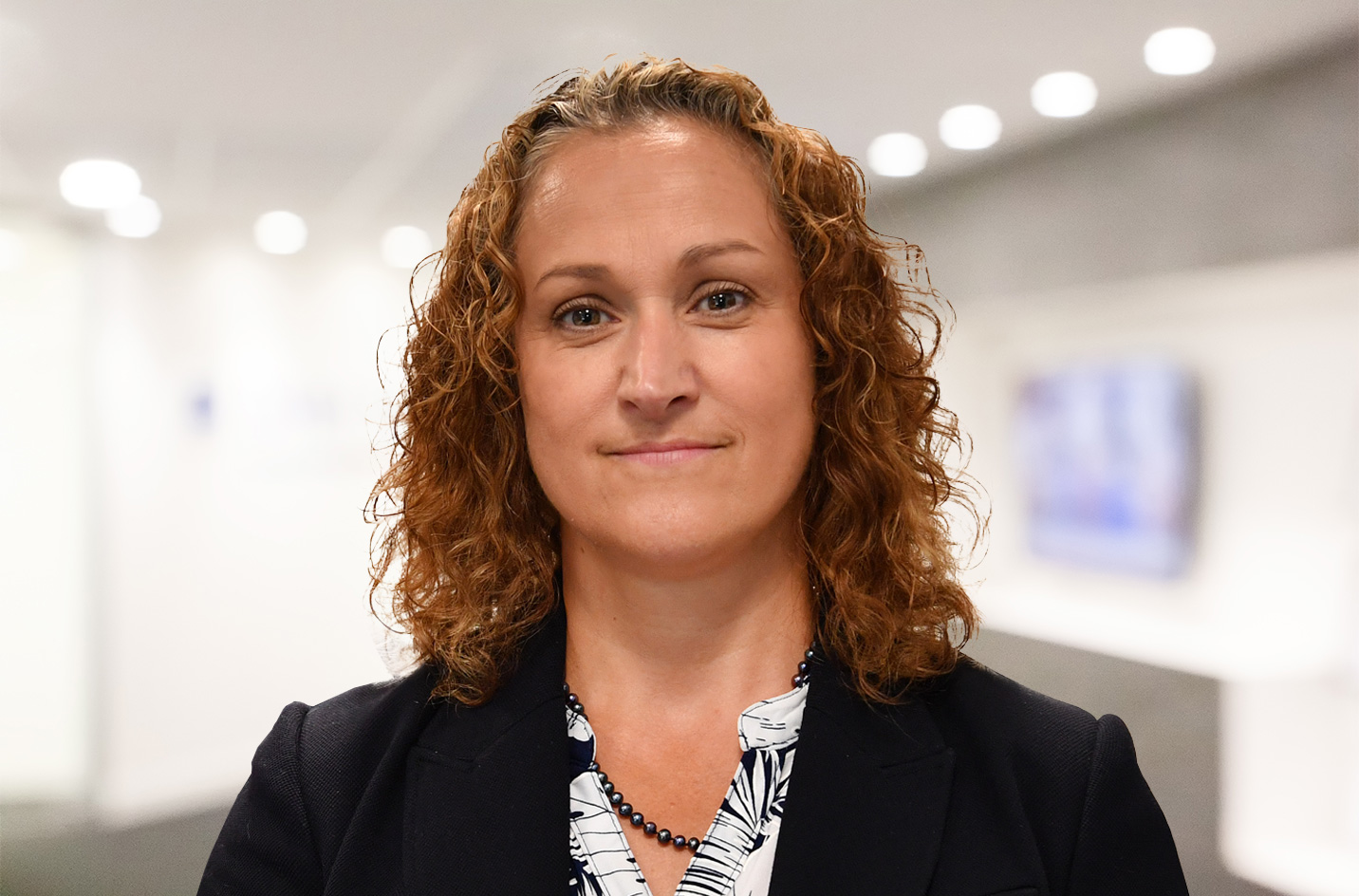
Sara McGrigor, Partner, Private Client Solicitor

Our lawyers can help with
Testimonials

Awards
Google reviews

Meet our Wills and estate solicitors