03333 231 580
 Contact us
Estate Planning, Wills and Trusts
Our estate planning solicitors prepare Wills that are legally watertight and truly reflect your wishes, working with you to make your estate as tax efficient as possible. It takes time and effort, and many of us tend to delay these tasks, sometimes until it’s too late. Our lawyers ensure your affairs are in order, giving you total peace of mind.
Our focus is you
At DMH Stallard, our estate planning solicitors concentrate on developing and then carefully implementing tailor-made estate plans that ensure the seamless transfer of assets to intended beneficiaries in as tax efficient manner as possible. An estate plan might typically comprise tax efficient Wills, inheritance tax planning, family business succession planning, lifetime trusts, charitable gifting, bespoke lasting powers of attorney (LPAs), and international estate plans to avoid assets being taxed in more than one country.
We regularly advise high profile, high net worth individuals and successful businesspeople and their families – often where there are international assets and multiple properties in several legal jurisdictions.
Our private wealth team are ranked in the top legal directories which include Legal 500 and the High Net Worth Guide for Chambers and Partners.
We have offices in London and across the South East including Gatwick and Crawley, Hassocks, Horsham, Brighton and Guildford.
Please note that visits to our office is by appointment only. If you wish to contact one of our estate planning experts you can do via our online enquiry form or call on +44 (0)3333 231 580.
Your key questions answered
Research into the number of people in the UK who have made a Will is carried out regularly by organisations such as insurance companies. The data consistently shows a high proportion of adults don’t have a Will. In 2020 31 million people did not have a Will including over 51% of those aged 55-64. Reasons for not doing so include the belief that they have nothing worth leaving in a Will, that they had simply never considered making a Will or that they were just too busy. For those left behind this can be difficult to manage and it may mean that any assets you have may not go to the person/people of your choice.
At DMH Stallard, our estate planning solicitors will always advise clients to make a Will – whatever stage of life they are at. There are many reasons to make a Will. These range from making things more straightforward for your loved ones when you die and a more efficient administration of your estate to being able to appoint guardians of your choice to look after your children. Chiefly however, when you make a Will you avoid dying intestate when a strict set of rules are applied to the division of your assets. While the rules are perfectly adequate in certain instances, in our experience they can have unintended consequences and can result in your property being distributed in a way that might be contrary to your actual wishes. For example, if your estate is worth over a certain amount your spouse will not automatically inherit everything – assets will be divided between him or her and your children.
It might appear to go against the basic principle that executors have a duty to respect the last wishes of the deceased as expressed in his or her Will. However, in certain situations it is possible for a beneficiary of a Will to decide that his or her inheritance should go to someone else. The decision is normally formalised in a deed of variation (also known as a deed of family arrangement) but it can also be reflected in a letter sent to HMRC. In all cases the request to vary the terms of a Will must meet a series of conditions. These include:
- Beneficiaries left worse off by the changes must agree and sign the variation document
- The variation is dated within two years of death
- A clear statement of which inheritances are being altered and how they ae being altered is contained in the document
- There is statement as to whether the beneficiary whose inheritance is being reduced has been compensated in another way (with non-estate assets)
- Reasons for varying the terms of a Will include:
- Reducing the amount of inheritance tax or capital gains tax payable – although to be tax efficient, precise conditions must be met
- To make provision for someone who was left out of the Will
- To move the deceased’s assets into a trust
- Clearing up any uncertainty over the Will
- To benefit a charity
It’s also possible for a beneficiary to reject or ‘disclaim’ his or her inheritance. In such cases, unlike under a variation, the beneficiary does not get to choose where to direct the share of the estate he or she would have inherited. Instead, the portion of the estate disclaimed goes to the next person entitled under the Will.
Trusts are a commonly used legal vehicle to manage assets for named beneficiaries or class of beneficiaries. The trust assets are held and managed by the trustee(s) for the beneficiary in accordance with the powers given to them by the person who provides the assets and creates the trust (the settlor).
At DMH Stallard, our estate planning solicitors advise on a wide range of trusts, including trusts set up in Wills (Will trusts).
Situations when you might wish to include a trust in a Will include:
- When you are leaving your estate to younger members of your family, and you would prefer that they do not get control of their inheritance until they are mature enough to handle the assets sensibly
- When your assets are being left to children (those under 18)
- As a way to minimse your liability for care home fees
- When you have remarried or have a partner, but you want children from an earlier marriage or relationship to inherit the bulk of your estate
- When you are leaving assets to a vulnerable or disabled individual who is unable to look after the property in their own
Assets placed in trust are still subject to taxes, including inheritance tax, although the tax payable will depend on the nature of the trust, the beneficiaries and when the trust was set up.
When we are preparing Wills and associated legal instruments like trusts and LPAs, the question of how to reduce inheritance tax liability often comes up. The portion of your estate above the ‘nil rate band (NRB)’ for inheritance tax (£325,000 in 2023) is subject to tax at 40%. Crucially, the inheritance tax regime is often subject to change, and our clients will always benefit from the most up to date and relevant advice for their situation. We provide specialist advice on the full range of inheritance tax reliefs and exemptions available to individuals, including;
- Spousal exemption – anything left to a spouse or civil partner is exempt from inheritance tax
- Transfer of any unused NRB to spouse
- Use of residential nil rate band (RNRB) by leaving a residence to a direct descendant
- Making gifts with favourable tax treatment such as gifts to charity
- Use of business relief (BPR) and agricultural property relief to reduce inheritance tax on qualifying assets
As part of our overall advice on inheritance tax and estate planning, we can also guide you on the most efficient way to dispose of property during your lifetime so that you reduce the value of assets that will be subject to inheritance tax.
Stay connected, sign up for updates
Stay connected


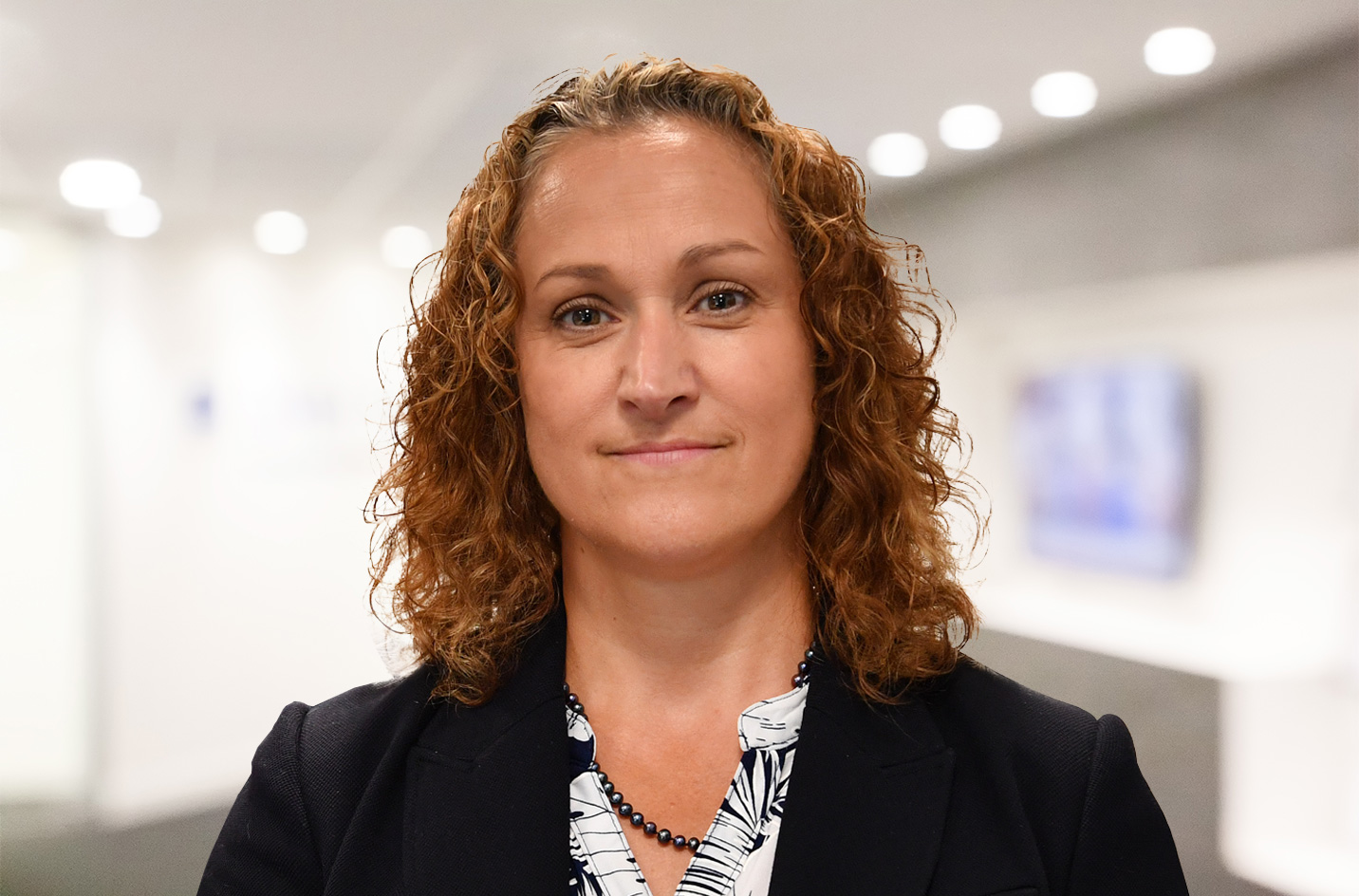
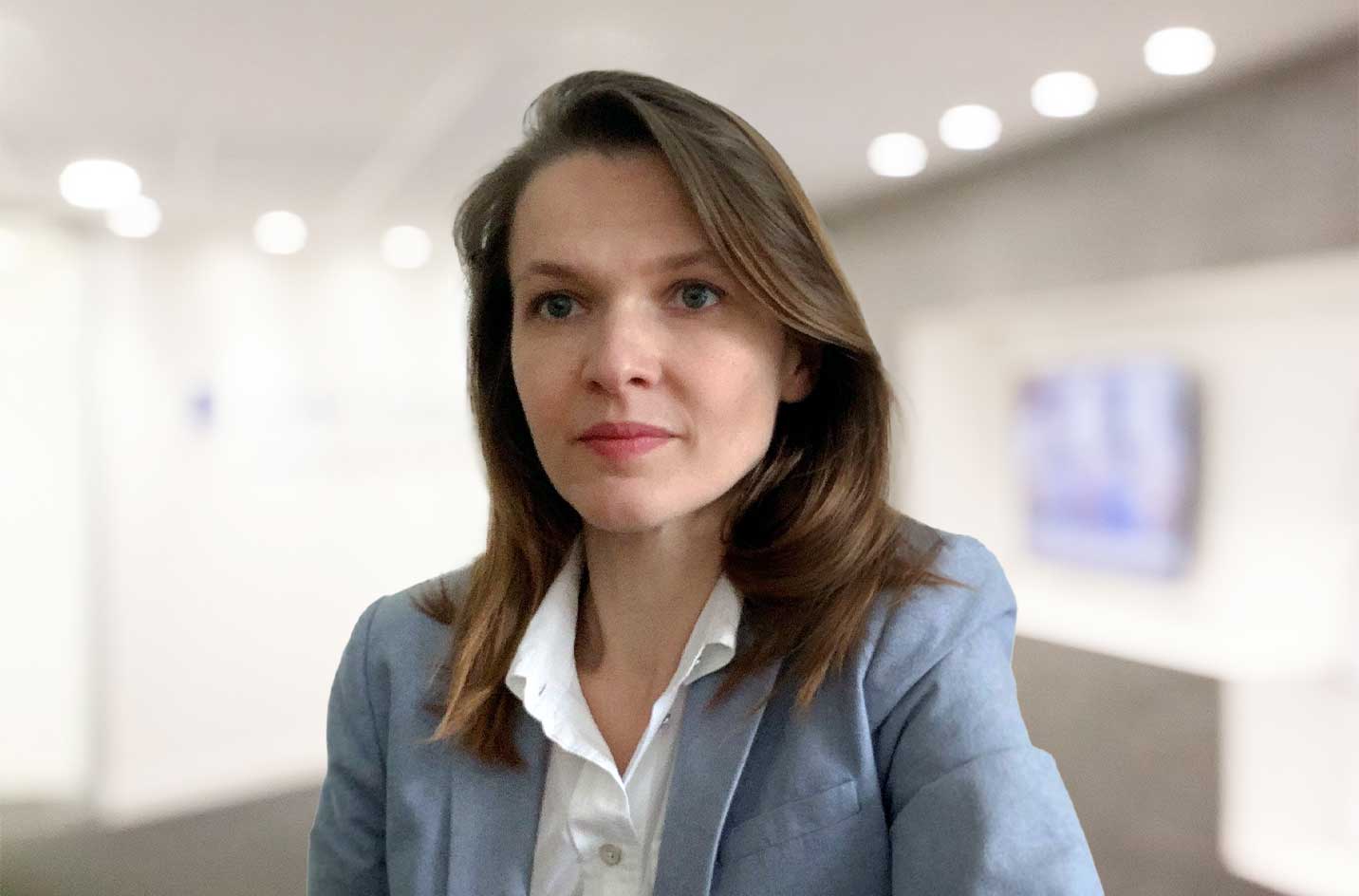
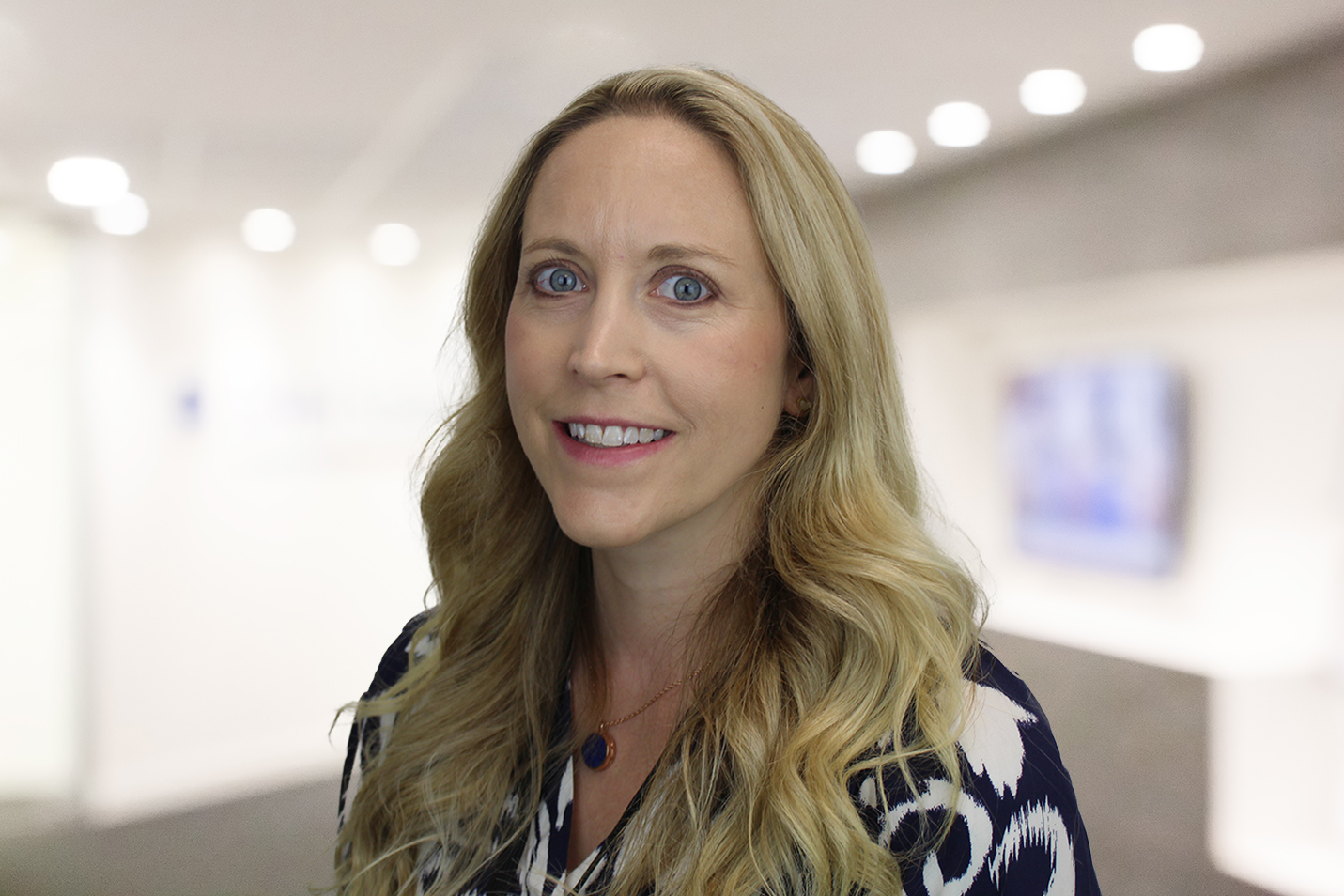
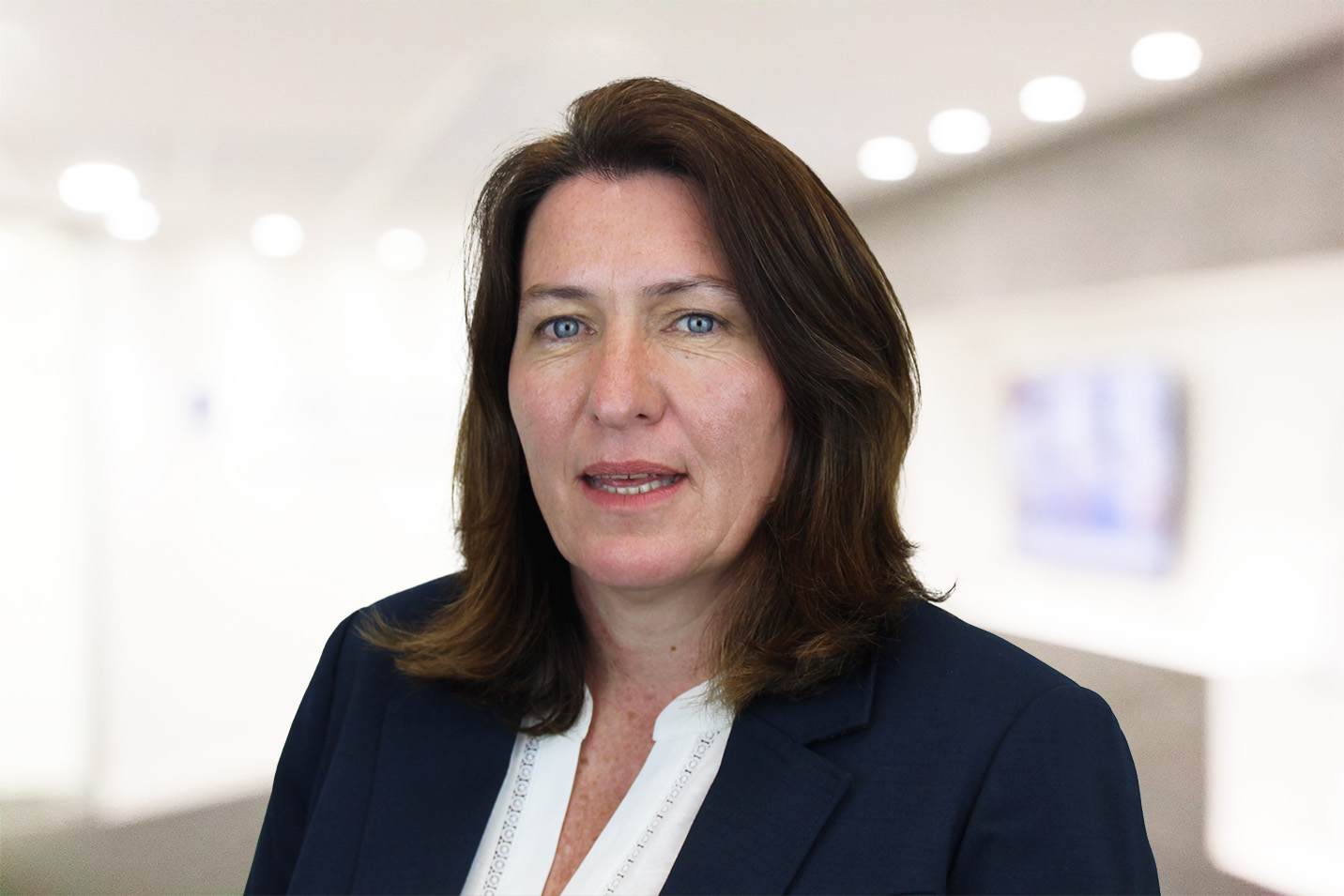
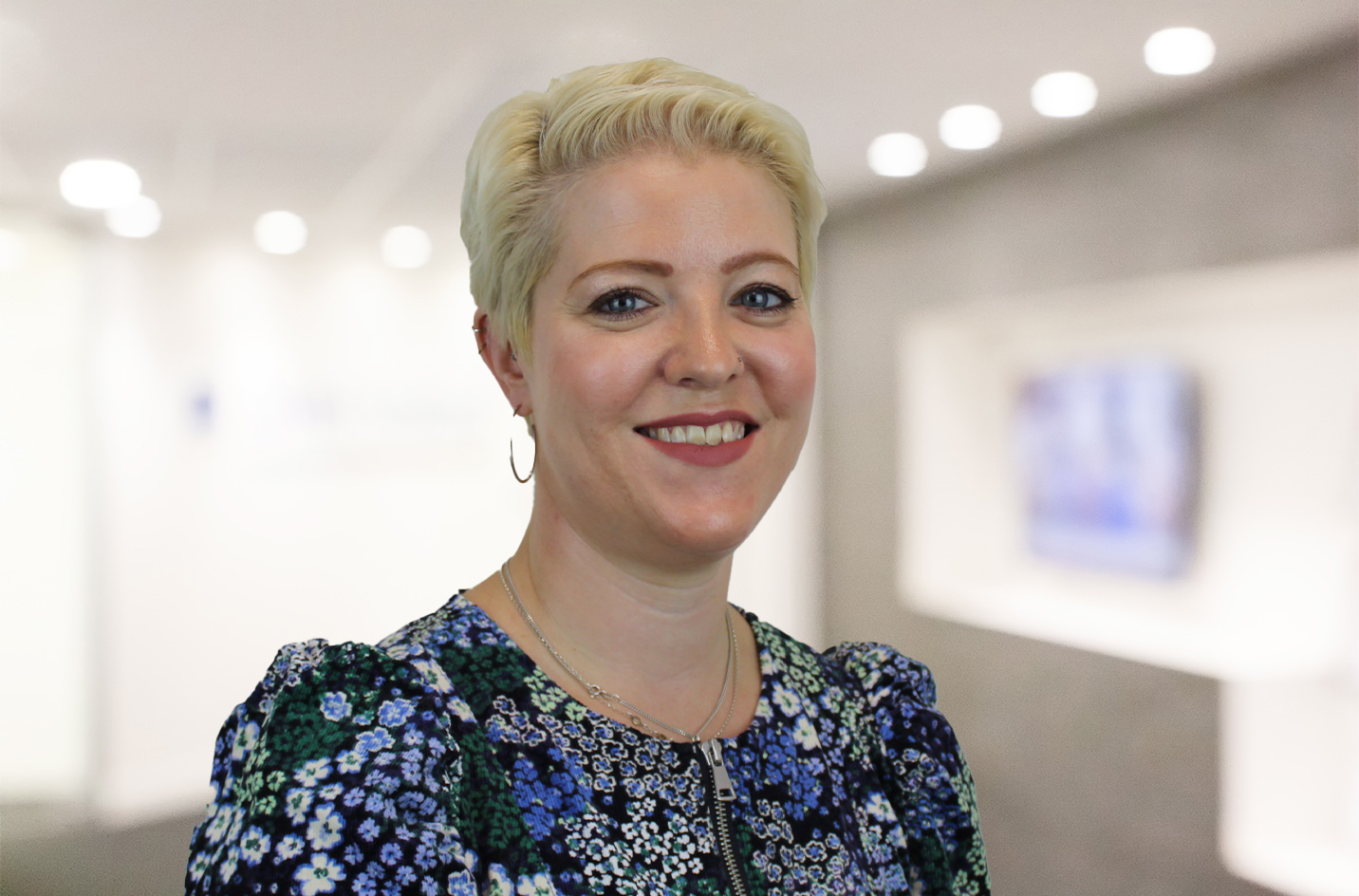
Meet our private wealth solicitors






Recent work
Sectors
Charitable Giving
Lifetime Planning to Reduce IHT Liability
We reduced our client’s estimated IHT liability through lifetime planning. Client had wealth of in access of £3million. We also advised the client on charitable gifting and the reduction in IHT rate with a 10% gift to charity and are advising on lifetime gifting to further reduce estimated IHT liability.
Charitable Trusts
Restructuring Trust to Charitable Incorporated Organisation (CIO)
We successfully formed and registered a Charitable Trust appointing two partners of DMH Stallard named as Trustees under Will of the deceased. With a portfolio of over 50 properties, we agreed that restructuring the Trust to a Charitable Incorporated Organisation (CIO) would be the best option.
Creating a lasting charitable legacy
Lasting Charitable Legacy
We advised a HNW individual on drafting a Will, which included a Discretionary Trust and bespoke beneficiary provisions ensuring a philanthropic yet flexible position; and post death, advising the executors as to the types of charitable structure which can be created and establishing a Charitable Incorporated Organisation (CIO).
Advice on mitigation of inheritance tax
We provided technical advice to clients with several million in assets and a substantial annual income. We advised on ways to substantially mitigate a potential inheritance tax liability of close to £1million. Steps we advised our clients to take included giving substantial gifts to family members on a regular basis to avoid the accumulation of surplus income in their estates and to insert specific provisions in each will to reduce exposure to inheritance tax.
Acting as Deputy for an individual with dementia
DMH Stallard were asked to manage the affairs of someone with dementia who had lost their mental capacity, were unable to manage their affairs and continue to live independently. DMH Stallard Trust Corporation applied to the Court of Protection to be appointed as their Deputies. There was no extended family or close friends. We found a suitable residential care home for them that specialised in dementia care and sold their property, taking financial advice to ensure there were sufficient funds to cover their care home fees and general living expenses.
Wills and Estate Planning advice
We provided estate planning advice to a married couple aimed at maximising allowances available to their estates. Specifically in this case we arranged for the wife to gift her residence nil rate band (RNRB) to the children in an attempt to bank relief because she had assets of a lower value than her husband. We maximised asset protection by incorporating a flexible life interest trust (FLIT).
Administration of a high net worth estate.
Historically the deceased, used big name City law firms for some of his personal work. However, he chose to instruct DMH Stallard to draft his will and the executor has chosen to use us to administer the multi-million pound estate because of our local knowledge. The breadth and depth of experience means we can deal sensitively with many of the internationally high-profile people who benefit under the will, or who are involved in the deceased’s estate.
Advice on post-death variations of will and tax relief
DMH Stallard advised the executors of an estate where the deceased had assets held within a company registered at Lloyds. DMH Stallard successfully claimed Business Relief over various assets within the estate. We also advised the executors on a deed of variation which was successful in securing a reduction in the inheritance tax payable,
LPA
Lasting Power of Attorney
We often prepare Lasting Powers of Attorney as part of our overarching private client service, encompassing advice on wills, trusts, inheritance tax planning and succession planning. It’s an area of our practice that demonstrates the way we link various specialisms across the firm to enhance the service we deliver to clients.
Power of Attorney Advice
We provided advice and support to a lady in her 90s with frailty and early stage dementia. The PoA ensured that when her dementia progressed to the stage she could no longer make decisions for herself that one of her daughters would make all decisions in relation to her financial affairs and health and welfare. This was an important document that provided peace of mind and enabled the family to chose the care she received.
Insights
Announcements
DMH Stallard has reported exceptional levels of employee satisfaction, with 100% agreeing that the firm is a good place to work in latest survey.
28/09/2026
Insights
DMH Stallard has advised BDX Group Ltd and Socrates Holdings Ltd on the successful acquisition of Socrates Imaging B.V. and Socrates Imaging Ltd.
24/09/2026
Insights
unpacking the High Court’s dismissal of privacy claims arising from unlawful information gathering in Baroness Lawrence v Associated Newspapers [2026] EWHC 1637.
18/09/2026
Events
In this latest webinar, our Immigration team willl provide an overview of what is changing, what it means for your business, and how your commercial contracts and service arrangements may be impacted by the extended liabilities pertaining to third party workers.